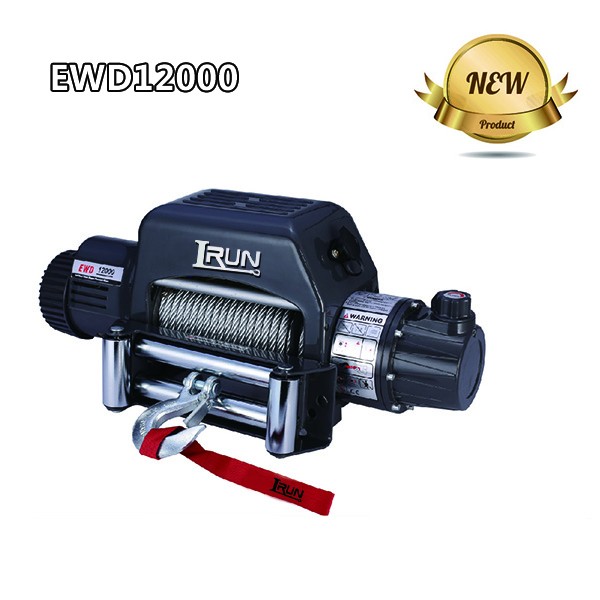
Unleashing the Power of 2 Speed Electric Winches
The practical value of a 2 speed electric winch is not simply that it offers a faster setting. It gives buyers two operating modes to evaluate for different stages of a pulling task. For vehicle recovery and equipment loading, the important questions are how much pull each mode provides, what line speed is available and when the operator is permitted to change modes.
This guide explains how to assess 2 speed electric winches without confusing faster line movement with greater pulling capacity.
What Makes an Electric Winch a Two-Speed Model?
A two-speed electric winch provides two selectable operating modes. The exact mechanism and the relationship between speed and pulling capacity depend on the model. Buyers should use the manufacturer's specifications rather than assume that every dual-speed winch uses the same gearbox, clutch or control arrangement.
It is also important to distinguish selectable speeds from normal changes in line speed under load. A winch that runs more slowly as resistance increases is not necessarily a two-speed model.
- Selectable modes: Confirm how the two speeds are selected and identified.
- Mode-specific performance: Request line pull and line speed for each setting.
- Operating procedure: Check the conditions under which a speed change is permitted.
A label such as “dual speed” describes a feature. The technical table explains what that feature delivers.
Where the Two Speed Modes Can Add Value
Faster Line Movement When the Conditions Allow
A higher-speed setting may be useful during line positioning or lighter pulling, provided the selected model permits that operation. Its benefit depends on the available speed, the corresponding pull limit and the actual task.
Do not assume that the headline capacity remains available in high-speed mode. If a model is advertised as a 12,000 lb winch, the technical documents should identify which mode and rope layer that rating applies to.
A Separate Mode for the Required Pull
The lower-speed setting should be evaluated against the pulling force required for the recovery or loading task. Buyers need to know the permitted line pull, electrical demand and operating limits in that mode.
Lower speed alone does not establish precise positioning, unlimited operating time or a particular safety capability. Those characteristics require model-specific information.
Free Spooling Is a Different Function
Where a free-spooling clutch is provided, it should be distinguished from powered high-speed operation. The clutch and speed selector may share a mechanism on some designs, but their functions and engagement procedures must be confirmed in the operating manual.
Do not assume that a faster powered setting replaces free spooling or that either function may be selected while the line is loaded.
Read the Performance Data Before Comparing Winches
Two products with the same advertised capacity can have different operating characteristics. A useful comparison needs more than a no-load speed and a maximum pull figure.
- Pulling capacity by mode: Identify the permitted pull in both settings.
- Line speed under load: Compare speeds at the same stated pulling condition.
- Rope-layer basis: Confirm whether the figures apply to the first layer or another drum position.
- Electrical demand: Review voltage and current for the selected configuration.
- Operating duration: Obtain run-time restrictions and cooling instructions.
Keep the comparison conditions consistent. A first-layer figure for one model should not be compared directly with an outer-layer figure for another, and a no-load speed should not be presented as the speed available during a loaded pull.
Check the Speed-Change Procedure
The operating manual should explain when and how the operator can change modes. A speed selector is not evidence that shifting under load is permitted.
- Confirm whether the motor must be stopped before changing modes.
- Check any requirement to remove line tension before shifting.
- Identify how full engagement is confirmed.
- Review access to the selector after the winch is installed.
These checks matter during equipment integration. A selector that is accessible on a loose winch may become difficult to operate behind a bumper, mounting frame or body panel.
Applications to Assess for Vehicle Recovery and Loading
Off-road vehicle recovery and loading a disabled vehicle onto suitable recovery equipment are relevant tasks to review when evaluating a two-speed winch. The faster setting may assist one stage of the operation, while the actual pull must remain within the approved limits of the selected mode and installation.
Suitability still depends on the required pulling force, mounting structure, electrical supply, rope and operating procedure. Two-speed operation does not remove the need to assess the complete recovery setup.
Do not extend a vehicle recovery winch's application to overhead lifting, suspended loads or marine anchoring solely because it offers two speeds. Those uses require their own equipment specifications and approvals.
Installation and Procurement Checks
For an installer or equipment distributor, the most useful purchase specification combines performance requirements with physical and electrical fitment information.
- Vehicle and task: State the intended recovery or loading application.
- Mounting layout: Provide available space, mounting details and selector access requirements.
- Electrical supply: Confirm the selected voltage and request installation requirements.
- Control package: Identify the supplied switch, control box and any optional remote control.
- Rope and accessories: Confirm rope specifications, fairlead compatibility and included equipment.
For OEM sourcing, submit branding and packaging requests separately from technical changes. A request to alter gearing, controls or mounting structure should not be treated as an approved standard option until the manufacturer confirms feasibility.
Comparing Irun Winch Dual-Speed Options
Irun Winch's two-speed electric winch category currently lists 8,000 lb, 10,000 lb and 12,000 lb products. These capacity classes provide a starting point for comparison, not a complete selection decision.
For each shortlisted model, request the speed-mode performance table, electrical requirements, installation drawing and operating manual. Confirm the exact configuration and accessory scope before comparing quotations.
The Irun Winch two-speed electric winch range provides the product options to review alongside these requirements.
Frequently Asked Questions About 2 Speed Electric Winches
Does a two-speed winch provide its full rated pull in both modes?
Do not assume so. The manufacturer should identify the permitted pull for each mode and the rope layer associated with the rating.
Is a winch with variable line speed automatically a two-speed model?
No. The key distinction is whether the product provides two selectable operating modes, rather than simply changing speed as load changes.
Can the speed be changed during a loaded pull?
Only follow the procedure expressly permitted by the model's operating manual. Do not infer permission from the presence of a selector.
Does high-speed mode make the complete recovery faster?
Not necessarily. Any time benefit depends on the permitted task, available pulling capacity, setup and operating limits. A faster no-load figure does not establish the duration of a complete recovery.
What information is needed for a model recommendation?
Provide the intended task, required pulling conditions, vehicle electrical supply, mounting space and expected operating pattern. Request mode-specific performance data before approving the selection.
Turn Two-Speed Capability into a Clear Purchase Specification
The useful advantage of a two-speed electric winch is the ability to select an approved operating mode for the task—not simply to choose the highest advertised speed. A clear specification connects pulling capacity, loaded line speed, electrical demand and installation access.
Before requesting a quotation, prepare the application, quantity, electrical supply, mounting information and required controls. Ask for confirmation of the selected model's speed-mode limits and supplied equipment so the purchase decision is based on documented capability.