
Top 4x4 Hydraulic Winch Options for Your Off-Road Adventures
Looking for the best 4x4 hydraulic winch for your off-road needs? This guide covers everything you need to know, from benefits and key features to top models and real-world applications.
Key Takeaways
-
Hydraulic winches are preferred for off-road use due to their consistent pulling power and durability under heavy loads and harsh conditions.
-
Key features to evaluate when selecting a hydraulic winch include pulling power, mounting compatibility, and the type of cable or rope used.
-
Irun Winch is a leading supplier known for its extensive range of hydraulic winches, emphasizing quality and reliability in off-road applications.
Understanding 4x4 Hydraulic Winches
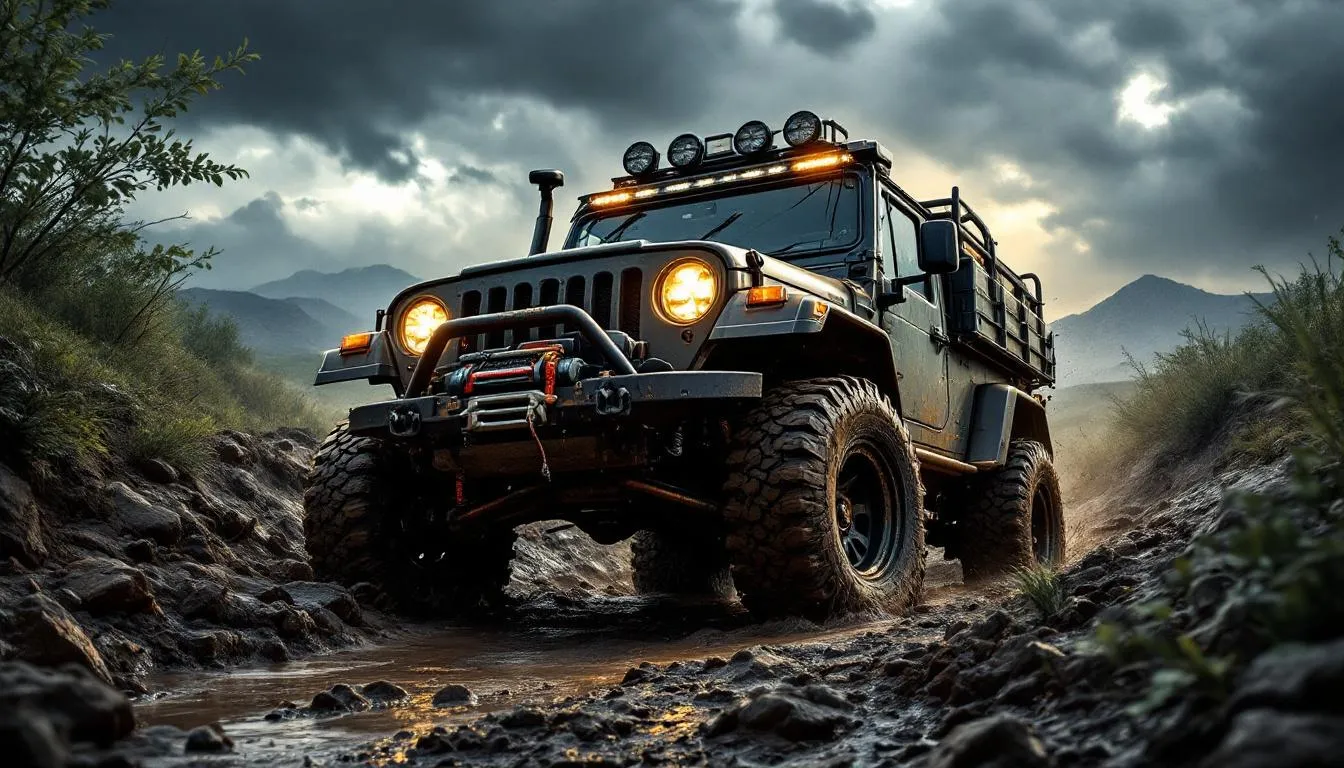
A hydraulic winch operates using hydraulic pressure rather than electrical power, allowing for more consistent pulling strength under heavy loads. This mechanism distinguishes hydraulic winches from electric counterparts that may lose power as the energy source depletes. Hydraulic 4x4 winch maintains consistent pulling power regardless of the power source, ensuring reliability when you need it most.
Besides consistent power, hydraulic winches are generally more robust and capable of handling tough outdoor conditions. Whether you’re dealing with mud, sand, or rocky terrain, a hydraulic winch is designed to withstand the harshest environments, making it an indispensable tool for serious off-road enthusiasts.
Key Benefits of Hydraulic Winches for 4x4s
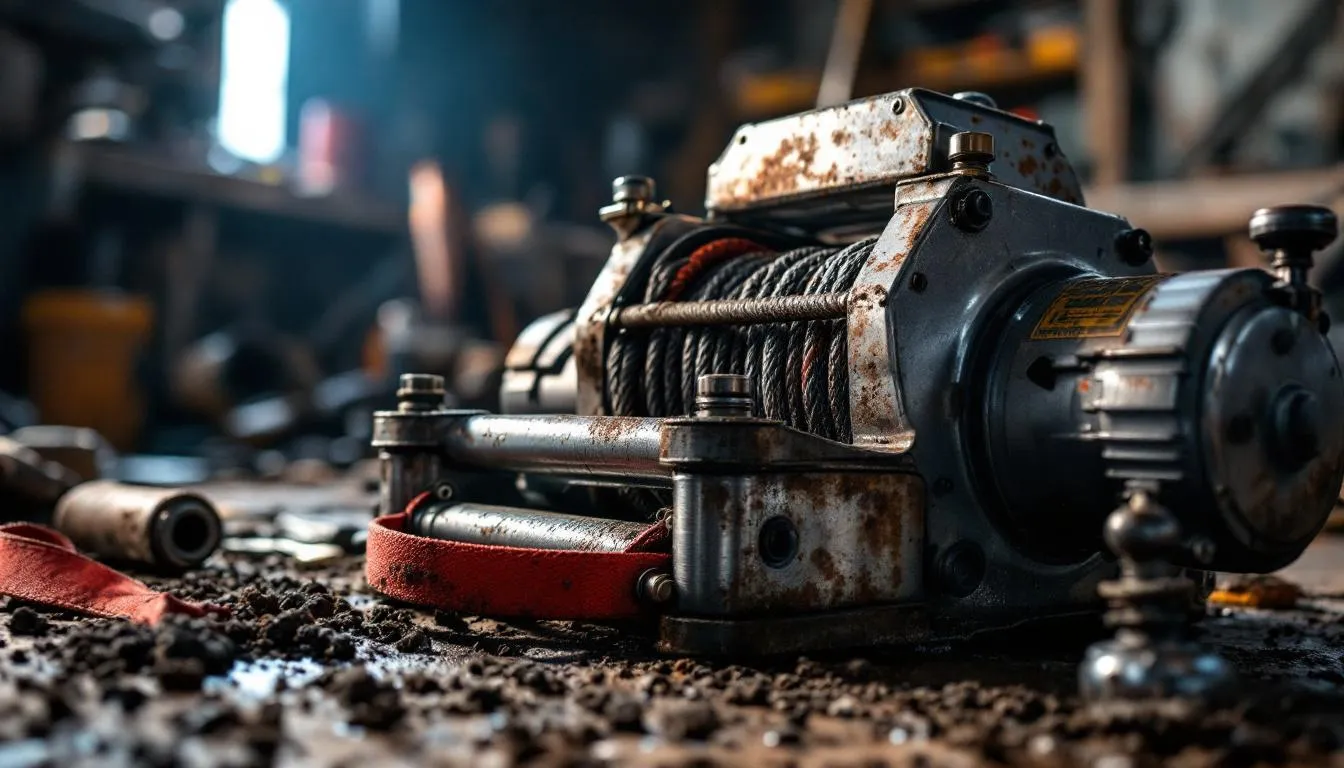
Hydraulic Winches for 4x4s are acknowledged for their superior strength, making them ideal for handling heavy loads and demanding conditions. This strength is crucial for recovering vehicles stuck in difficult terrains, such as mud, sand, or rocky areas. Hydraulic winches can also clear off-road trails by removing obstacles such as fallen trees and boulders.
One major advantage of hydraulic winches is their ability to maintain consistent pulling power, even when the hydraulic system is under load. This feature offers several benefits:
-
Assists vehicles in climbing steep terrains by providing extra pulling power.
-
Facilitates towing of vehicles stuck in ditches or ravines in emergency situations.
-
Serves as a reliable solution in tough conditions.
Top Features to Look for in a Hydraulic Winch 4x4
When selecting a hydraulic winch 4x4, key features include pulling power, mounting compatibility, and the type of cable or rope used. These features ensure that your winch can handle the demands of off-road recovery and provide reliable performance every time you need it.
Evaluating these features helps in choosing a winch that meets your specific needs and ensures safe operation, allowing you to find the right option.
Pulling Power
A winch’s pulling capacity should meet the following criteria for optimal performance and safety:
-
Exceed the weight of the vehicle and any load it may need to pull.
-
For a hydraulic winch, exceed the weight of the vehicle or the heaviest load.
-
Be at least 30% more than your vehicle’s gross vehicle weight (GVW) to ensure optimal safety.
Selecting a winch with the right pull capacity is essential. For effective recovery, consider the following:
-
The winch capacity should be at least 1.5 times the weight of the vehicle.
-
This extra capacity provides a safety margin.
-
It ensures the winch can handle tough recovery scenarios without straining or failing.
Winch Mount Options
There are various mounting options for hydraulic winches, including front and rear mounts. These options need to be matched to the specific vehicle model for optimal performance and secure installation. Winch mounts must be compatible with specific vehicle models for efficient installation and use.
Receiver-style winches offer flexibility by allowing easy installation on multiple vehicles and are designed to be removable when not in use. Their versatility appeals to those who need a winch that can be transferred between different vehicles or stored when not needed.
Steel Cable vs Synthetic Rope
Steel cables offer durability and resistance to abrasion, typically performing well in harsh terrains. However, they can rust over time and develop kinks, which may affect their performance. On the other hand, synthetic ropes are significantly lighter than steel cables and easier to handle, especially in cold conditions.
Synthetic ropes, although safer due to their lighter weight, require careful maintenance to prevent damage. Steel cables need monitoring for rust, while synthetic ropes should be checked for fraying and other damage.
Both options have their pros and cons, and the fact that the choice depends on the specific needs and conditions of your off-roading area adventures can vary from day to day. Having a solid plan can help you learn to navigate these variables effectively, especially when faced with a problem at work quickly. In conclusion, understanding these factors is essential for a successful thought experience.
Installation and Maintenance Tips for Hydraulic Winches
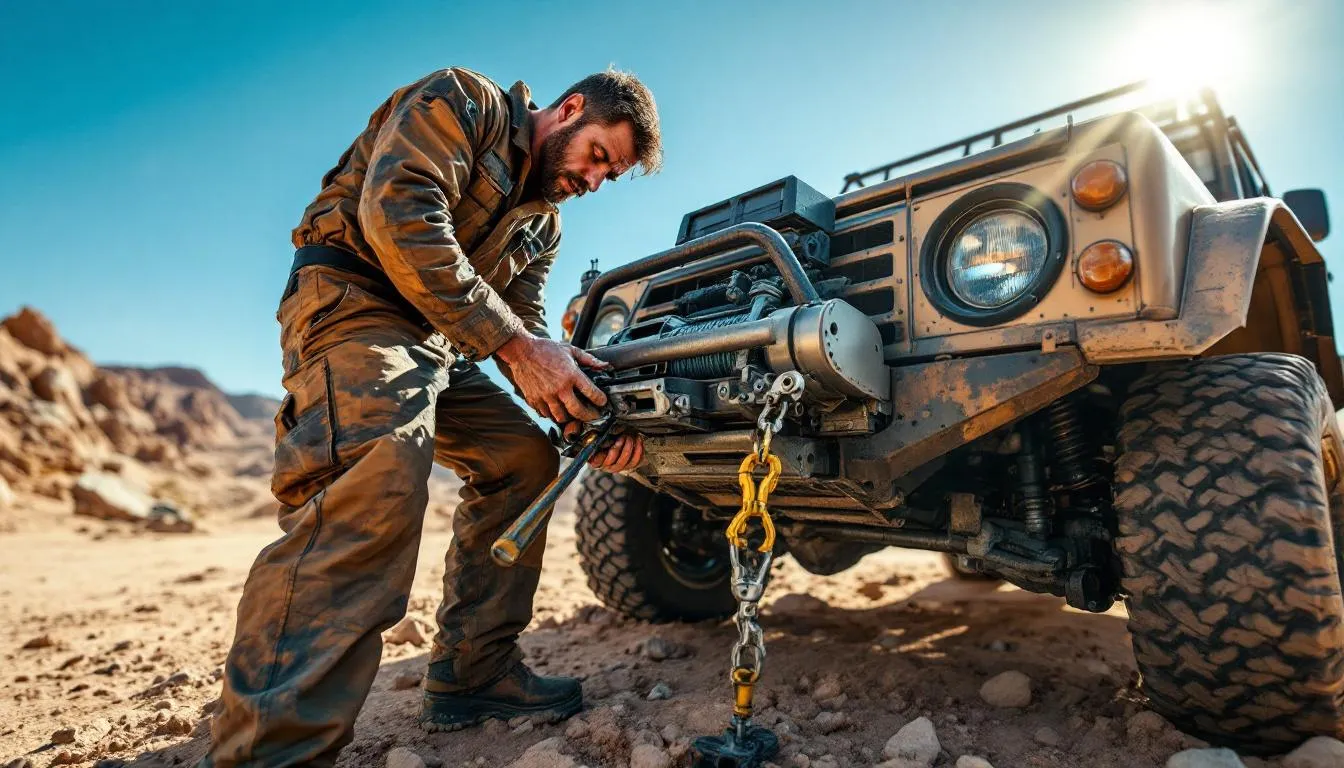
The installation of hydraulic winches often necessitates:
-
Additional hydraulic systems, which can increase both complexity and cost.
-
Integration into the vehicle’s hydraulic system, which is crucial for the winch to function properly.
-
Hydraulic hoses that should be rated for high pressure and securely routed to prevent leaks and damage.
Regular maintenance ensures the optimal performance of hydraulic winches. This includes inspecting winch components, checking for leaks, and verifying fluid levels. A formal inspection schedule ensures ongoing safety and reliability of the winch, which is maintained effectively. Tensioning the winch line while free spooling it onto the drum also prevents damage during operation.
Real-World Applications and Success Stories
The Warn M8274 is praised for its durability and fast operation, making it a long-standing choice among off-road enthusiasts. The Mile Marker 10,500 lb hydraulic winch is well-regarded for its reliability and performance in off-road conditions. These winches have proven their worth in numerous real-world scenarios.
For example, a Toyota Bundera was successfully recovered using a hydraulic winch after becoming stuck in challenging terrain. In emergencies, hydraulic winches offer vital support for self-rescue and survival in remote areas. Their versatility allows them to serve as anchor points for camping gear and equipment in remote locations.
Comparing Hydraulic Winches to Electric Winches for 4x4s
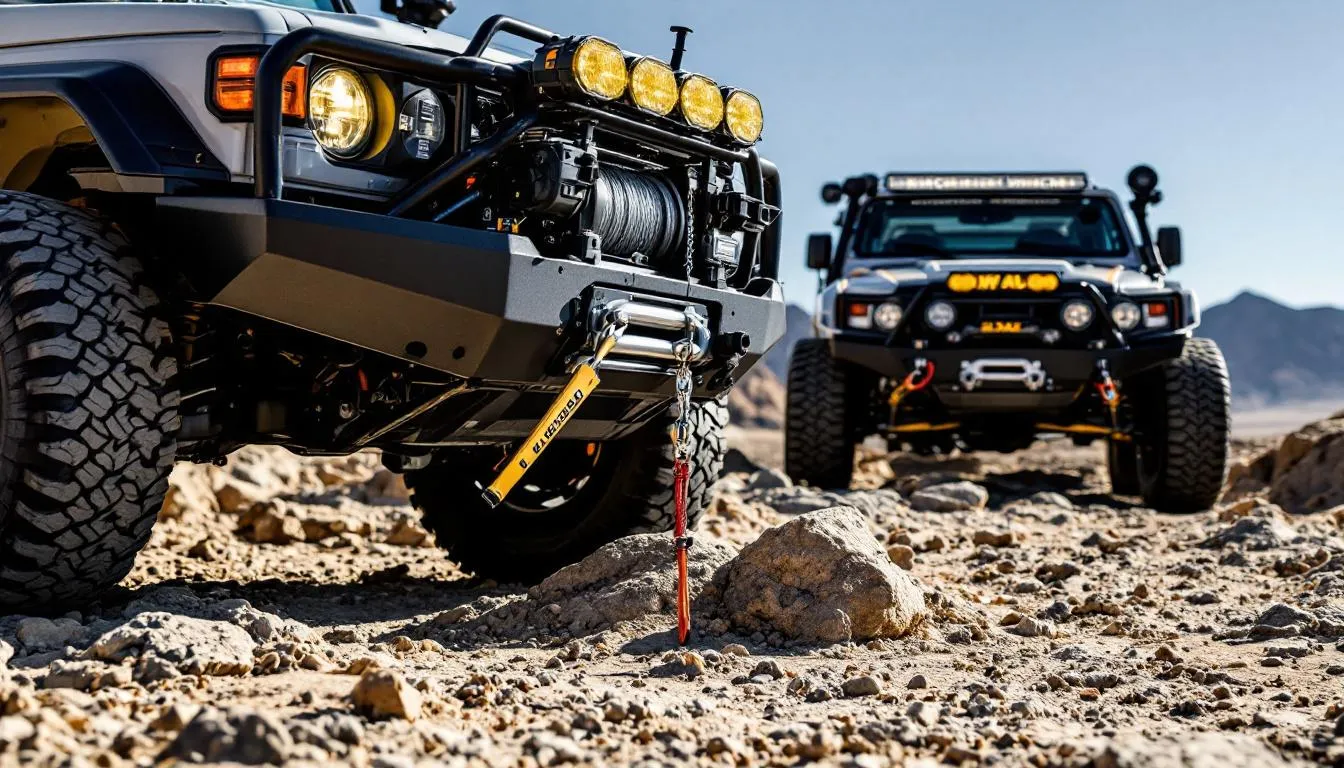
Hydraulic winches often have a higher pulling capacity compared to electric winches, making them suitable for off-road applications involving steep gradients. Their consistent power under load makes them ideal for challenging terrains and heavy-duty tasks.
Electric winches, on the other hand, are easier to install since they can be directly mounted on most vehicles without needing additional hydraulic systems. An electric winch is more suitable for lighter, less demanding applications where ease of installation is a priority.
Recommend the Leading 4x4 Hydraulic Winch Supplier - Irun Winch
ZHEJIANG JINHUA RUNYE TECH. CO., LTD. (Irun) is a leading supplier specializing in vehicle winches and off-road accessories. They offer a wide range of products suitable for ATVs, UTVs, 4x4 vehicles, wreckers, and more. As a pioneering manufacturer, Irun has one of the largest winch R&D and production bases in China, covering approximately 9,746.1 sq.m.
Their product range is included more than 100 models, with pulling power ranging from 2,000 lbs to 50,000 lbs and speed considerations in mind, guys. Irun places a strong emphasis on fine product development and quality, holding ISO 9001:2000 certification and CE and ROHS certifications for their planetary powered stock fasteners products installed on site at a competitive price, which added to their good reputation. Orders are processed efficiently to ensure customer satisfaction to add customer satisfaction.
Their commitment to integrity and excellence makes them a happy trusted choice for high-quality hydraulic winches.
Summary
In conclusion, hydraulic winches offer superior strength, consistent pulling power, and durability, making them ideal for off-road adventures. Key features such as pulling power, winch mount options, and cable types are crucial for selecting the right winch. Hydraulic winches outperform electric winches in heavy-duty applications, and leading suppliers like Irun Winch provide top-quality products to meet these demands. Equip your 4x4 with a reliable hydraulic winch and conquer the toughest terrains with confidence.
Frequently Asked Questions about Hydraulic 4x4 Winch
What makes hydraulic winches better than electric winches for off-roading?
Hydraulic winches are superior to electric winches for off-roading due to their ability to maintain consistent pulling power under heavy loads and their robustness in tough terrains. This makes them more reliable and effective in demanding conditions.
How do I choose the right pulling capacity for my hydraulic winch?
To ensure optimal performance, select a hydraulic winch with a pulling capacity that exceeds 1.5 times the weight of your vehicle and any additional load. This will provide sufficient strength and safety for your needs.
What are the benefits of synthetic rope over steel cable?
Synthetic ropes offer advantages over steel cable, such as being lighter and easier to handle, particularly in cold conditions. However, they do require careful maintenance to avoid damage.
How often should I inspect my hydraulic winch?
It is essential to conduct regular inspections of your hydraulic winch, focusing on leaks, fluid levels, and proper line tension to ensure its optimal functioning and safety.
Why should I consider Irun Winch for my 4x4 winch needs?
Irun Winch is a reliable option for your 4x4 winch needs due to its commitment to product quality and development, ensuring durability and performance for off-road enthusiasts.

